Sewage Tank Installation in Austin, TX
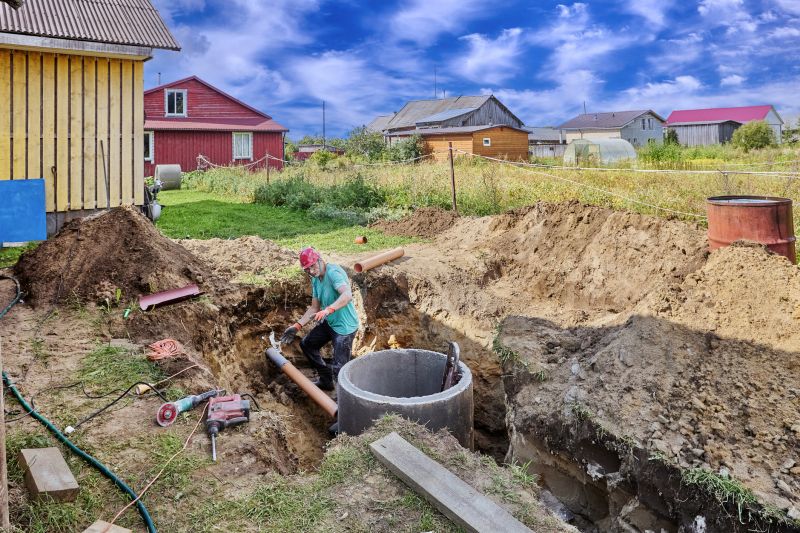
Sewage tank installation services involve placing underground tanks designed to collect and manage wastewater from residential properties. These projects typically include installing new tanks for homes without existing systems, replacing outdated or damaged tanks, or expanding capacity for growing households. Property owners usually want to understand the types of tanks available, the installation process, and any site-specific considerations such as soil conditions or local regulations that might affect the project.
Before requesting sewage tank installation, homeowners often seek information about the size and material of the tanks suitable for their property, as well as the necessary permits and planning requirements. Understanding the maintenance needs and lifespan of different tank options can also help in making informed decisions. Proper planning ensures the system functions effectively, complies with local codes, and supports the long-term sanitation needs of the property.
Many property owners in Austin, TX look into Sewage Tank Installation for repairs, replacements, upgrades, and appearance-related improvements.
Sewage Tank Types And Options
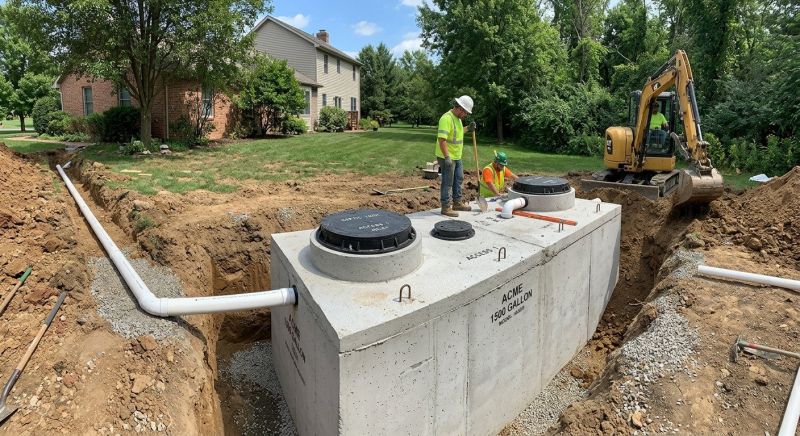
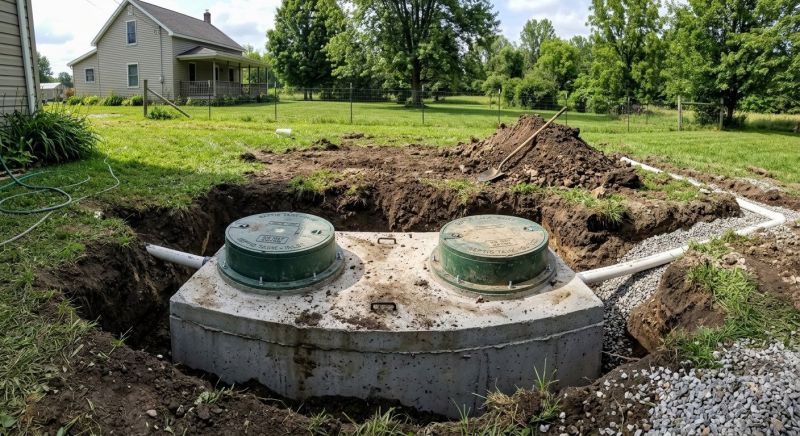
Different sewage tanks are designed to suit various property sizes and usage needs in austin.
Installation And Setup Considerations
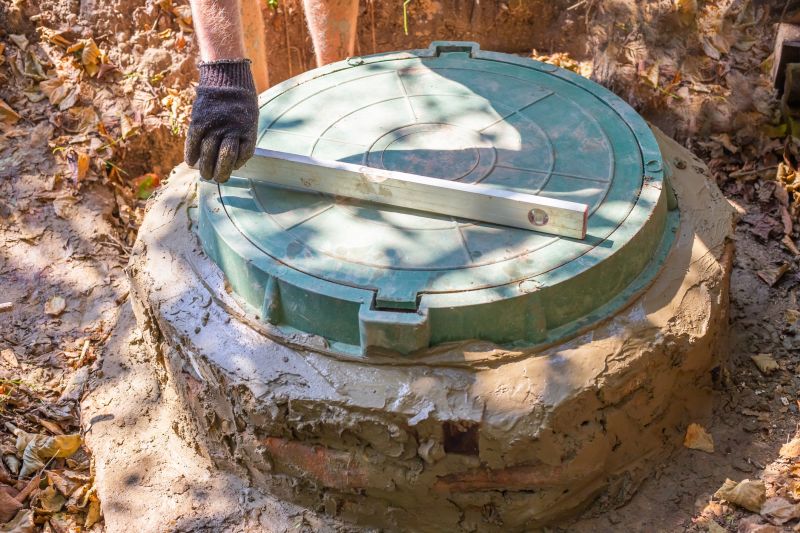
Proper site assessment ensures the sewage tank is installed safely and efficiently on your property.
Maintenance And System Longevity
Regular upkeep helps maintain optimal performance and extends the lifespan of sewage tanks in residential and commercial settings.
Sewage Tank Installation in Austin, TX

Sewage tank installation services involve placing underground tanks designed to collect and manage wastewater from residential properties. These projects typically include installing new tanks for homes without existing systems, replacing outdated or damaged tanks, or expanding capacity for growing households. Property owners usually want to understand the types of tanks available, the installation process, and any site-specific considerations such as soil conditions or local regulations that might affect the project.
Before requesting sewage tank installation, homeowners often seek information about the size and material of the tanks suitable for their property, as well as the necessary permits and planning requirements. Understanding the maintenance needs and lifespan of different tank options can also help in making informed decisions. Proper planning ensures the system functions effectively, complies with local codes, and supports the long-term sanitation needs of the property.
Many property owners in Austin, TX look into Sewage Tank Installation for repairs, replacements, upgrades, and appearance-related improvements.
Common Sewage Tank Installation Jobs
Sewage Tank Installation - Installing new sewage tanks for residential or commercial properties.
Septic Tank Setup - Setting up septic systems to manage wastewater effectively.
Tank Replacement - Removing and replacing outdated or damaged sewage tanks.
Tank Maintenance Access - Creating access points for ongoing inspection and servicing.
Custom Tank Solutions - Designing and installing tanks tailored to property needs.
System Upgrades - Upgrading existing sewage tanks to meet current standards.
Sewage Tank Installation Questions
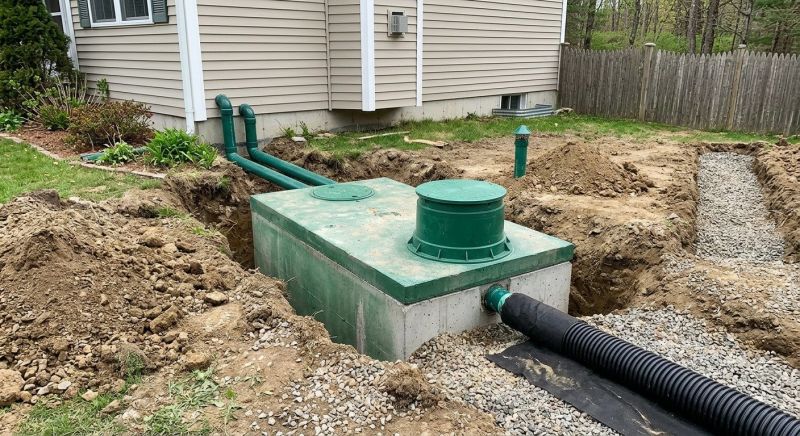
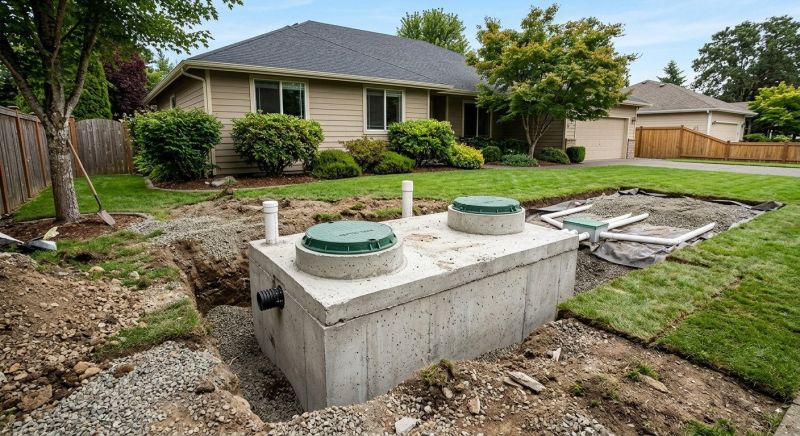
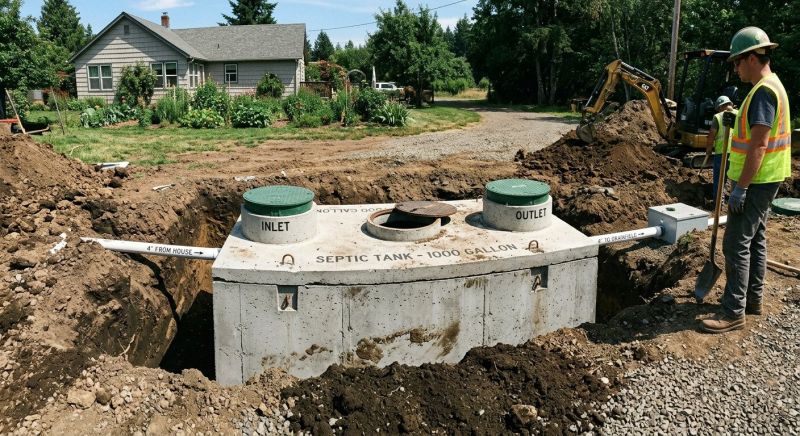
What is involved in installing a sewage tank? The process includes site assessment, proper excavation, tank placement, and connection to existing plumbing systems.
How do I choose the right sewage tank size? The appropriate size depends on the property’s usage, number of occupants, and local regulations.
Are there different types of sewage tanks available? Yes, options include concrete, plastic, and fiberglass tanks, each suited to different property needs.
What should property owners consider before installation? It’s important to evaluate soil conditions, access for installation, and proximity to water sources or structures.
Request Sewage Tank Installation in Austin, TX
Use the quote form on this page to share the basics of your project and request more information for the type of work you need.