Septic Field Installation in Denver, CO
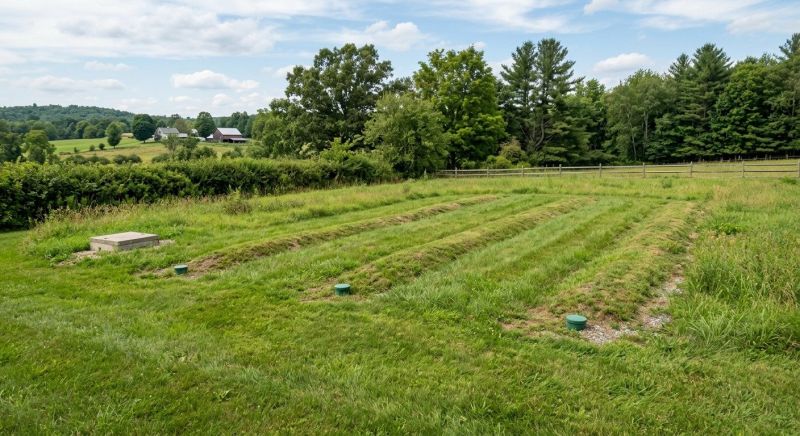
Septic field installation involves setting up the underground system that treats and disperses wastewater from a home’s septic tank. This service is essential for properties that rely on a septic system rather than municipal sewer lines. Projects typically include installing new septic fields for newly built homes, replacing outdated or failing systems, or expanding existing systems to accommodate additional fixtures or property changes. Homeowners should understand the importance of proper site assessment, soil suitability, and system design to ensure long-term functionality and compliance with local regulations before requesting installation services.
Property owners often inquire about the scope of septic field installation, including the size and layout of the system needed for their property. It’s important to consider factors such as land topography, soil type, and future property use when planning a new installation. Understanding local permitting requirements and potential restrictions can also influence project planning. By gathering this information beforehand, homeowners can ensure the installation process proceeds smoothly and results in a reliable, efficient septic system tailored to their property’s specific needs.
Many property owners in Denver, CO look into Septic Field Installation for repairs, replacements, upgrades, and appearance-related improvements.
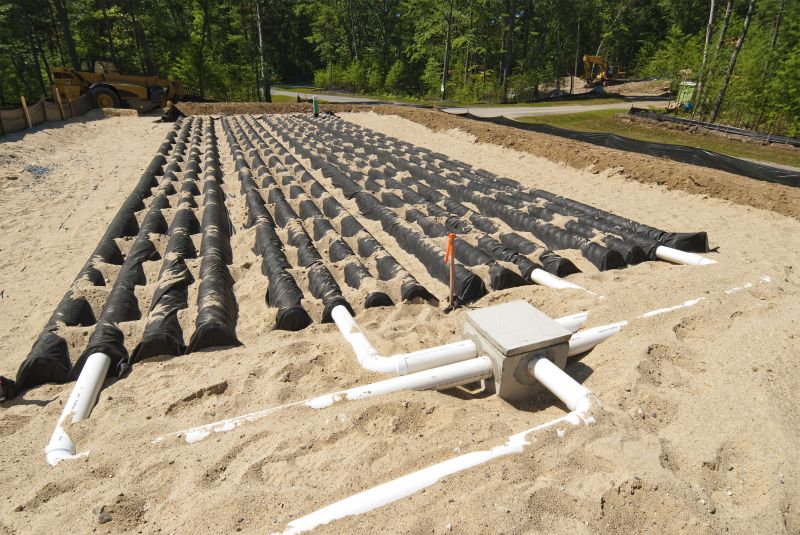
Septic Field System Design
Proper design ensures effective wastewater treatment and long-term system performance.
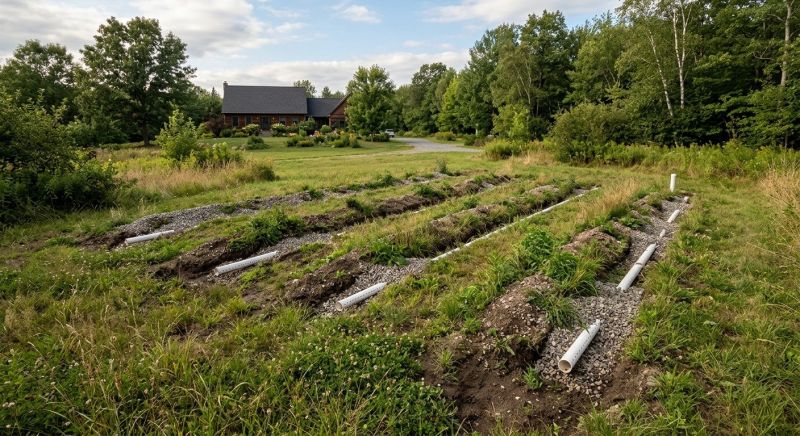
Installation Process Overview
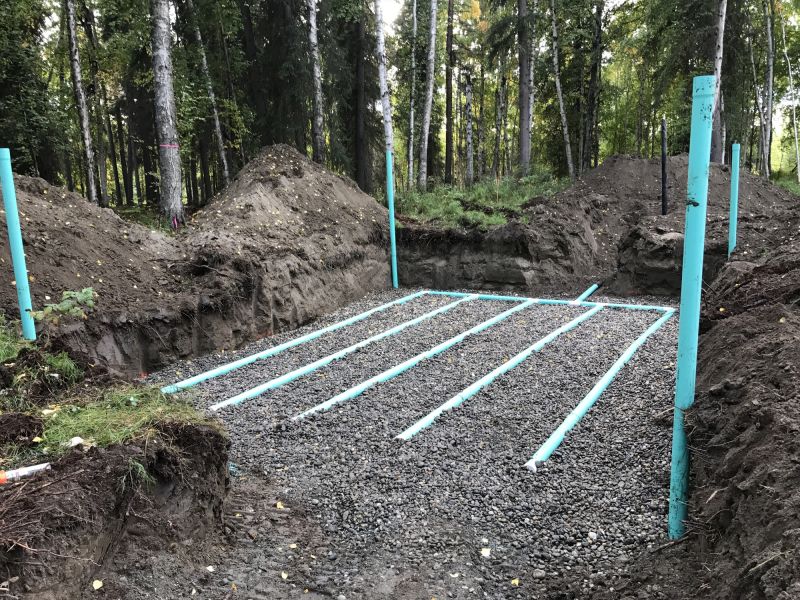
Careful installation involves site assessment, proper trenching, and quality material placement.
Maintenance And Troubleshooting
Regular inspection helps prevent system failures and extends the lifespan of the septic field.
Septic Field Installation in Denver, CO

Septic field installation involves setting up the underground system that treats and disperses wastewater from a home’s septic tank. This service is essential for properties that rely on a septic system rather than municipal sewer lines. Projects typically include installing new septic fields for newly built homes, replacing outdated or failing systems, or expanding existing systems to accommodate additional fixtures or property changes. Homeowners should understand the importance of proper site assessment, soil suitability, and system design to ensure long-term functionality and compliance with local regulations before requesting installation services.
Property owners often inquire about the scope of septic field installation, including the size and layout of the system needed for their property. It’s important to consider factors such as land topography, soil type, and future property use when planning a new installation. Understanding local permitting requirements and potential restrictions can also influence project planning. By gathering this information beforehand, homeowners can ensure the installation process proceeds smoothly and results in a reliable, efficient septic system tailored to their property’s specific needs.
Many property owners in Denver, CO look into Septic Field Installation for repairs, replacements, upgrades, and appearance-related improvements.
Common Septic Field Installation Jobs
Septic Field Design - planning and designing systems suited to property size and soil conditions.
Septic Field Installation - installing underground drain fields to ensure proper waste management.
Leach Field Replacement - replacing aging or failing drain fields for improved functionality.
Drain Field Repair - repairing damaged or clogged septic drain fields to prevent backups.
Soil Evaluation - assessing soil suitability to optimize septic system performance.
Septic System Permitting - assisting with necessary permits and compliance for installation projects.
Septic Field Installation Questions
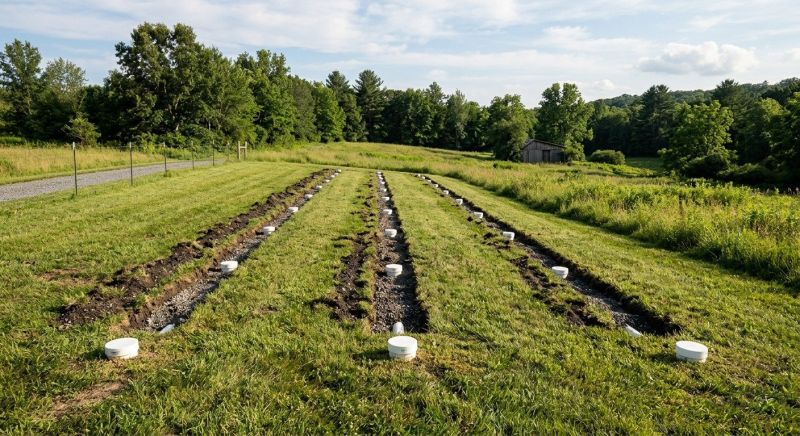
What is a septic field? A septic field is an underground system that treats and disperses wastewater from a property’s septic tank into the soil.
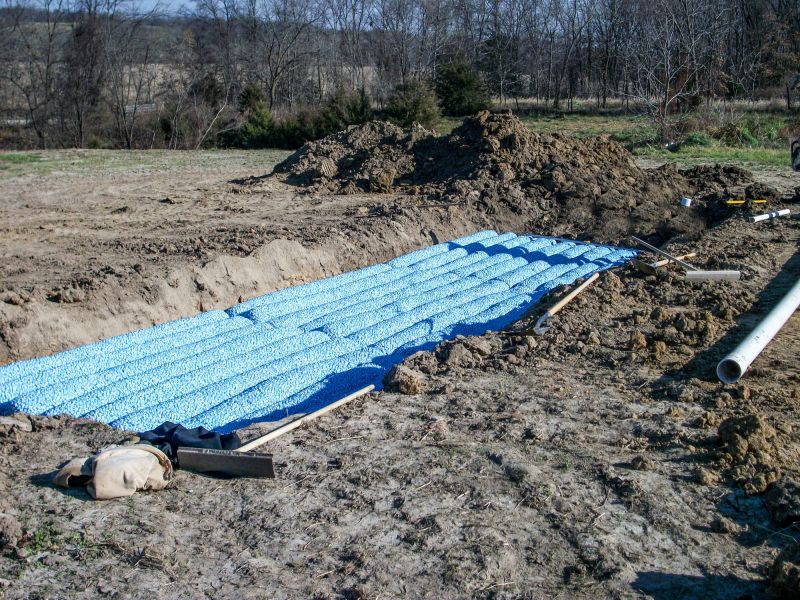
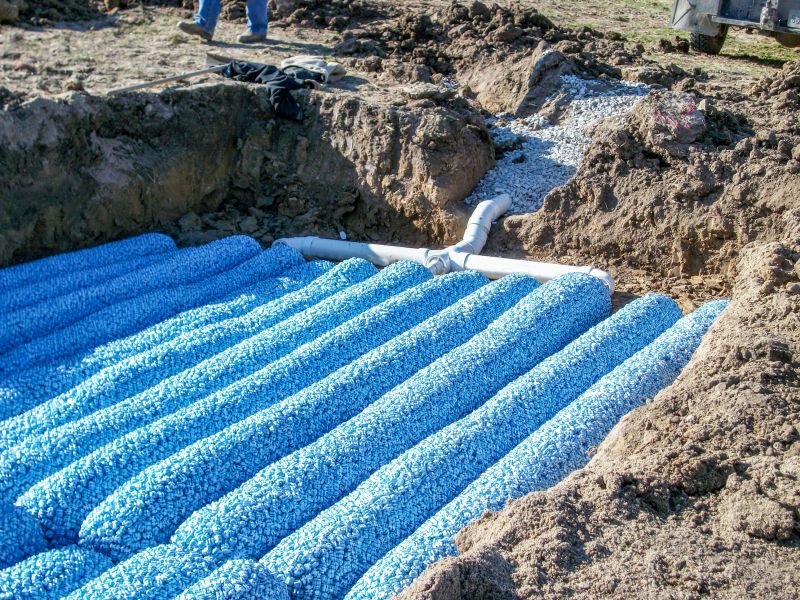
How is a septic field installed? Installation involves excavating trenches, placing the drain pipes, and covering them with soil to ensure proper wastewater flow and absorption.
What types of properties require a septic field? Properties not connected to municipal sewer systems typically need a septic field for wastewater management.
What factors influence septic field placement? Soil type, property size, and water usage are key considerations for determining the optimal location for a septic field.
Request Septic Field Installation in Denver, CO
Use the quote form on this page to share the basics of your project and request more information for the type of work you need.